Hairline Restoration: Scalp Pigmentation vs Surgery, Which Fits You?
By Micro Dot Studio | October 29, 2026
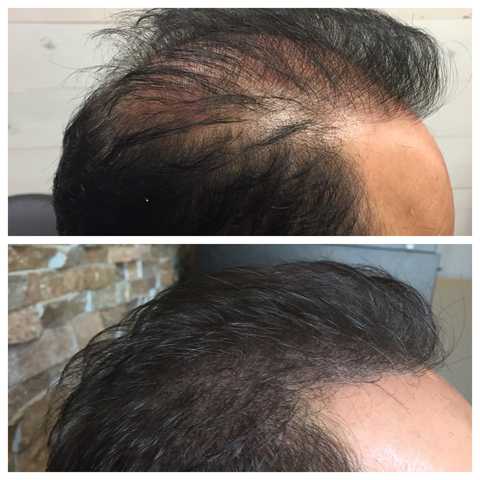
A lot of people come to me after seeing a friend’s results, then realizing SMP could be an option they’d never seriously considered until they saw how natural it looked in real life. If you want visible regrowth and you have enough donor hair, hair restoration surgery (a transplant) creates new follicles. If you want the look of density and a cleaner hairline with far less downtime, scalp micropigmentation creates that visual change without surgery.
I’m appointment-only in the 500 West commercial district in central West Bountiful, near the intersection of 500 West and 500 South. In this guide, I’ll lay out the real differences in results, recovery, cost patterns, and who tends to be happiest with each choice.
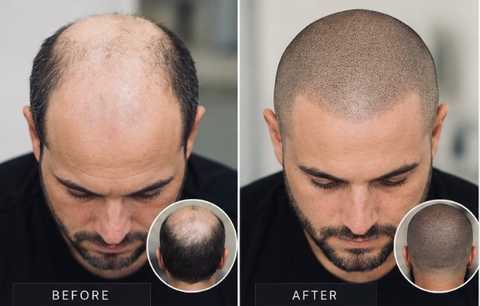
Quick reality check: A transplant grows hair. SMP does not. SMP changes what you see in the mirror by reducing scalp show-through and sharpening the hairline, which is why it’s a game changer for thinning, scars, and shaved styles.
The decision usually comes down to time off, donor hair, and what you want to see
People looking up surgical hair restoration are usually trying to solve one of these: a receding hairline, thinning at the crown, female pattern thinning that shows part lines, or a scar that keeps catching their eye in photos. And honestly, most people aren’t just shopping for hair. They’re trying to stop thinking about their hair every day.
In northern Davis County, the biggest deciding factor I see is schedule reality. Surgery takes planning and recovery time. SMP tends to fit a busy work and family calendar better because it’s done in sessions and you usually don’t need extended time off.
- You’re surgery-leaning if your goal is actual hair growth and you have adequate donor hair.
- You’re SMP-leaning if your goal is the look of fullness, a defined hairline, or scar blending, especially if you keep your hair short or shaved.
The hairline-restoration options I actually do at Micro Dot Studio
I focus on micro-pigmentation work that makes hair loss and scars less obvious in real lighting, not just a perfect photo moment. That includes hairline density, thinning areas, and scar camouflage. I’m in West Bountiful, and people drive in from Woods Cross, Bountiful, Centerville, and North Salt Lake because they want something that looks natural up close.
Hairline Restoration (Scalp Micropigmentation)
I use advanced micro scalp micropigmentation techniques to create natural-looking density and a cleaner hairline. We map the hairline carefully so it fits your face and your current hair pattern, then build the look in sessions so the finish is soft and believable. Your first-year touch-up is complimentary because I want your healed result to stay consistent as your skin settles.
Best for: thinning at the front or crown, adding density for a fuller look, rebuilding a hairline after traction or hormonal thinning, and blending scars along the hairline or on the scalp.
Small but important note: I’m owner-operated. I’m the one doing your consult, mapping, and every session. A lot of people tell me that consistency matters when you’re trusting someone with your hairline.
What results look like in real life: scars softened, thinning disguised, confidence back
Here’s what I hear again and again after SMP sessions. People stop adjusting their hair to hide the “see-through” spots. They stop choosing seats based on lighting. And they stop feeling like their scalp is the first thing anyone notices.
Some of the most meaningful work I do is scar coverage. I’ve worked with clients who’ve had a scar since childhood and finally felt like it looked “amazing and natural” after micropigmentation. I’ve also helped blend scars after head surgery when edge growth changed and the hairline felt exposed.
“Life changing - seriously.”
For women dealing with thinning, the emotional side is real. I’ve had women tell me they were embarrassed to even reach out, then felt comfortable once we talked it through, and the finished result was “beyond my wildest expectations.” I also hear about the “people get shocked” moment, when someone looks so natural that friends can’t tell anything was done until it’s mentioned.
And longevity matters. One client came back after more than a year with “no regrets” because the hairline still looked natural. That’s the goal: believable in bright Utah sun, in close conversation, and in photos.
What a scalp pigmentation appointment looks like, step by step
When you come in, we start with your hairline goals first, not a one-size template. I’ll take a look at your current pattern, your density, and any scar tissue or areas that heal differently. Then we map a hairline that makes sense for your face and age, and we talk through what “natural” means to you.
During the session, I work in small passes so the density builds gradually. That helps the result heal softer and keeps the hairline from looking too sharp or too low. Most people find that the later sessions feel easier and go faster once we’ve set the base.
Utah scheduling tip: Our sun is no joke. If you’re planning heavy outdoor time, tell me. We’ll time sessions so your healing window is protected, especially in peak summer.
SMP vs hair restoration surgery: downtime, cost patterns, and maintenance
Outcome difference is the whole point
A transplant gives you actual growing hair. That’s why it’s the right call for people who want length, styling options, and true regrowth. SMP gives you the appearance of density and a more defined hairline. It’s especially strong for reducing scalp contrast if you’re fair-skinned or you keep your hair very short.
Recovery reality: minimal downtime vs planned downtime
SMP is generally easier to fit into life because you’re not healing surgical incisions. Surgery usually means visible healing stages and activity restrictions. If you’re considering a clinic hair transplant, plan around work, school calendars, and social events. That planning is part of doing it well.
Cost and upkeep: big upfront vs touch-ups over time
Surgery tends to be the higher upfront investment, and some people still choose meds or ongoing treatments. SMP is typically lower upfront than surgery, and it may need a touch-up down the road as pigment naturally softens. The right choice is the one you’ll actually maintain without stress.
Why people come to my West Bountiful studio instead of rolling the dice
A lot of people show up skeptical. I get it. One client told me they researched everything they could and realized quickly that not all SMP is created equal. That’s why I take time up front to answer questions, go over the procedure clearly, and make sure you’re not being pushed into a decision.
I’ve been doing this work for 7 years, and I’m still picky about the details. Hairline placement matters. Softness matters. And your comfort matters.
If you’re local: I’m right in the 500 West commercial district in central West Bountiful, near the intersection of 500 West and 500 South.
If you want to talk it through, reach out and tell me what you’re seeing in the mirror, where the thinning or scar is, and what “natural” means to you. I’ll help you sort out if SMP makes sense, or if surgery is the better match for your goals.
Call: +14356197800 | Email: tiawallinaz@gmail.com
Address: 724 W 500 S, West Bountiful, UT 84087
Quick answers to the questions I hear every week about SMP and transplants
How is scalp micropigmentation different from a hair transplant?
A transplant moves follicles so you can grow real hair in new areas. Scalp micropigmentation places tiny pigment impressions in the scalp to reduce contrast and create the look of density or a sharper hairline. One is regrowth. The other is a visual density solution.
How long does scalp pigmentation last before needing a touch-up?
It lasts for years, but it does soften gradually over time. Touch-ups are normal down the road, especially if you’re in a lot of sun. I include a complimentary touch-up within the first year so we can perfect the healed result.
Is scalp micropigmentation painful and what’s the recovery like?
Most people describe it as manageable, and it often feels easier as sessions go on. Recovery is usually straightforward compared to surgery, but you do need to protect your healing scalp. Let me know about sun exposure plans so we can time sessions wisely.
Am I a good candidate for a hair transplant or should I choose SMP?
If you want actual hair growing and you have enough donor hair, a transplant might be the right fit. If you want the look of density, need scar blending, have thinning that makes your scalp show through, or you keep your hair short, SMP is often a better match. The best next step is talking through your stage of hair loss and your day-to-day routine.
How long should I plan off work after a hair transplant?
That varies by clinic and the type of transplant, but you should plan for visible healing time and activity restrictions. If your schedule can’t handle that, SMP is often the practical choice because it typically doesn’t require extended time off.
What do you mean by “micro scalp micropigmentation”?
It’s scalp micropigmentation done with tiny, controlled impressions that mimic the look of hair follicles and natural density. The goal is a soft, realistic finish that holds up in bright light and up close.
What counts as “hair restoration surgery”?
Most people mean a hair transplant, where follicles are harvested from a donor area and placed in thinning or receded areas to grow hair. It’s a medical procedure with a recovery period, and it’s best when you have enough donor supply for your goals.
Is a hairline transplant for women an option?
For some women, yes, if donor hair and the hair-loss pattern make sense for surgery. Many women also choose SMP for density along the part line or hairline when the bigger issue is visible scalp show-through rather than needing new growth.
What should I look for in a clinic hair transplant consult?
Look for clear discussion of donor hair, realistic density, healing stages, and what happens if loss progresses. If you’re also considering SMP, compare how each option fits your timeline, budget comfort, and the look you want day to day.